

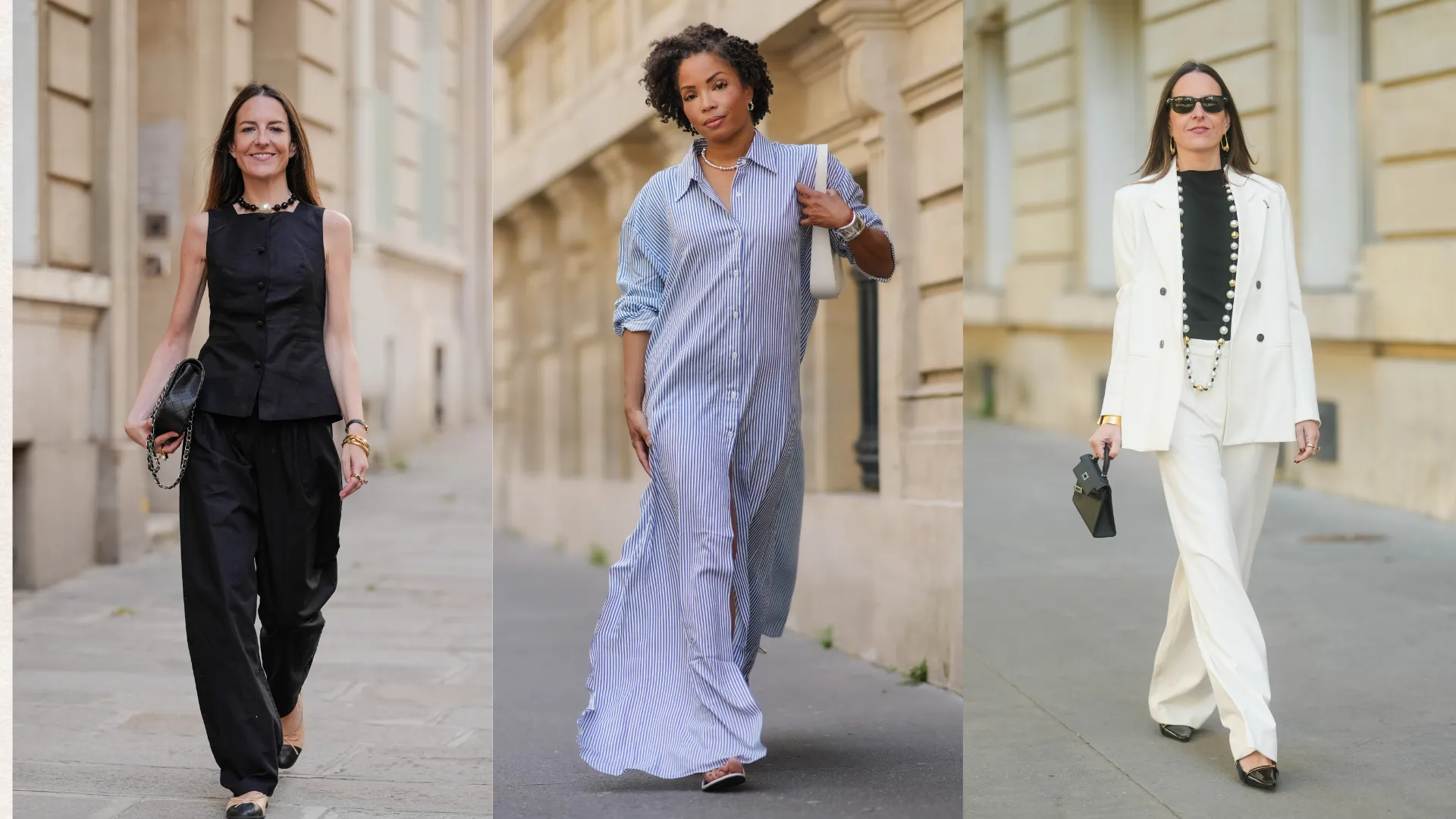
Warm commutes, sunny offices, and unreliable air conditioning can make professional clothing feel uncomfortable fast. Hot office weather calls for lighter fabrics, fewer unnecessary layers, and silhouettes that allow air to move. Looking polished doesn’t require heavy tailoring; careful fabric and fit choices can keep workwear neat without trapping excess heat.
Start With Fabric Before Choosing the Outfit
A lightweight garment can still feel hot when the material holds warmth close to the body. Natural fibers and breathable fabric constructions are often more comfortable in warm conditions, although every blend behaves differently.
Linen can feel airy but wrinkles easily. Cotton is familiar and versatile, while lightweight wool may work for tailored clothing because it can provide structure without the weight people often associate with winter garments.
Browsing fashion inspiration pages can help with appearance, but fabric labels deserve equal attention. Two shirts with almost identical cuts may feel completely different during a humid commute.
Give Clothes Enough Room to Breathe
Extremely tight clothing reduces airflow and can become uncomfortable once temperatures rise. Slightly relaxed shirts, straight trousers, easy dresses, and skirts with comfortable movement can feel cooler without looking oversized.
The goal is controlled ease. Excess fabric can also become hot, especially when several loose layers overlap.
Keep Professional Structure Without Heavy Layers
A blazer is useful but doesn’t need to stay on all day. Consider whether a structured shirt, tailored trouser, refined knit, or well-cut dress already creates enough polish for your workplace.
Where jackets are expected, choose lighter construction when possible and pair them with simple layers underneath. This allows you to remove the jacket at your desk without revealing something that suddenly feels too casual.
People collecting workwear style ideas may notice that polished summer outfits often rely more on clean lines than added layers.
| Choice | Warm-Weather Benefit | Tradeoff |
|---|---|---|
| Linen blend | Airy feel | May crease |
| Cotton shirt | Familiar comfort | Can retain moisture |
| Loose trouser | Better airflow | Needs clean tailoring |
| Unlined layer | Less weight | Less structure |
Color can also influence the visual mood of a summer outfit. Soft neutrals, blues, muted greens, and lighter shades often feel seasonally appropriate, though darker colors remain completely workable in breathable fabrics.
Dress for the Commute and the Office
The toughest part of a summer workday may happen before you reach your desk. Walking from transit, sitting in a hot car, or crossing an exposed parking lot can make a heavy office outfit uncomfortable before work even begins.
Removable layers help. Carrying a lightweight blazer and putting it on after arriving may be more practical than wearing it through the entire commute.
You can compare professional styling resources for combinations, but your transportation routine should influence the final choice. Someone walking twenty minutes needs different clothing than someone moving directly from an air-conditioned car to an air-conditioned building.
Keep a Backup Layer Nearby
Warm outdoor weather often creates cold indoor offices. A light cardigan or blazer kept at work can prevent you from dressing too heavily for the commute simply because the office temperature is unpredictable.
What Warm-Weather Dressing Often Gets Wrong
Choosing the thinnest garment available isn’t automatically the best strategy. Very flimsy fabrics can cling, become transparent under strong light, or lose the structured appearance expected in some workplaces.
Another mistake is replacing every professional element with a casual one at once. Sandals, shorts, loose T-shirts, and beach-like fabrics may shift an outfit too far depending on the dress code. Keep at least one or two clearly polished elements in the combination.
Frequently Asked Questions
What fabrics are best for hot office weather?
Lightweight cotton, linen blends, breathable woven fabrics, and some lightweight wool garments can work well. Comfort varies by fabric construction and blend, so checking the material and trying the garment in motion is useful.
Can sleeveless tops be professional at work?
They can be in some workplaces, especially when the cut is clean and provides appropriate coverage. More traditional offices may expect an additional layer, so workplace policy should guide the choice.
How do I stay cool while still wearing trousers?
Choose lighter fabrics, avoid excessively tight cuts, and look for trousers with enough room through the thigh and leg for comfortable movement. Heavy linings can also make summer trousers feel warmer.
Let Fabric Carry More of the Work
Hot-weather professionalism depends less on piling on formal pieces and more on selecting garments that already look finished. Choose breathable materials, controlled shapes, and layers you can remove easily. Dress for the warmest part of your journey, then keep a light office layer available when indoor temperatures drop.