

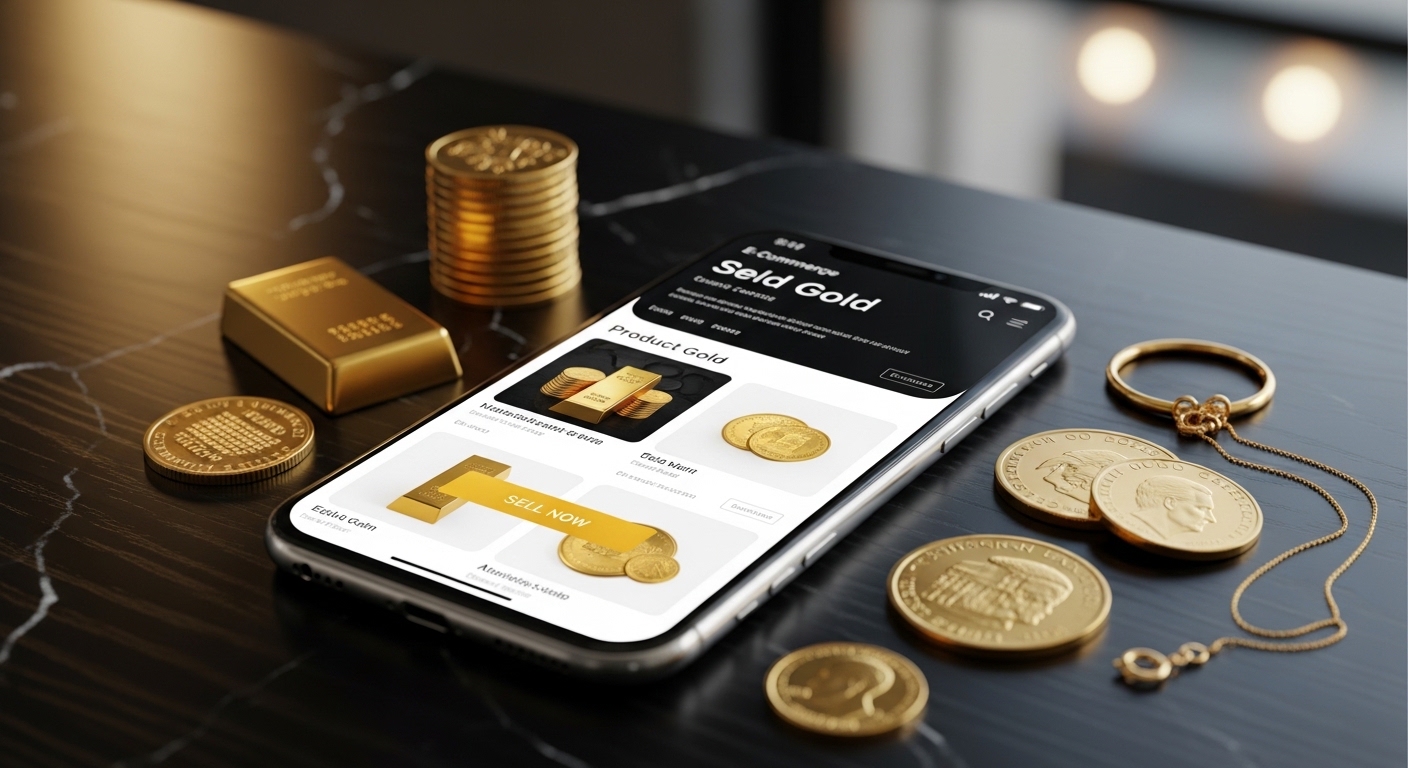
New Yorkers are busy people with busy lives. If a task can be done from a phone, that’s usually the option they’d gravitate towards. So it’s no surprise that more people are looking to sell their gold online instead of going to a store physically. You value your convenience, privacy, and time way too much for that. While selling to gold buyers online isn’t risky by default, it can go sideways fast if you don’t know how to spot scams. Let’s talk about how to do it safely without learning lessons the hard way.
How Online Gold Selling Actually Works (And What People Get Wrong)
At a glance, you might think the process is simple enough. You request a kit, mail your items, and wait for payment. Sometimes there’s a video appraisal or a photo-based estimate first. What many sellers miss is that most offers start as estimates and not guarantees.
That’s not shady on its own, though. Final pricing usually depends on weight, purity, and market price on the day items are tested. Many sellers assume the first number they are offered is the final price, but that is rarely the case.
The Biggest Online Gold Scams to Watch For
Scams work because they rely on urging customers to buy from them ASAP. “Limited-time offer.” “Price drops tomorrow.” You’ve heard the lines. One of the most common tricks is offers that magically shrink once your gold arrives. They also start speaking vague insurance language or claim that your package arrived damaged or incomplete.
Fake reviews are another big issue. Cloned websites pop up and look almost identical to real businesses. If you feel like a deal feels rushed and/or oddly generous, do yourself a favor and pause. In New York, nobody gives money away for free. Not landlords, not cab drivers, and definitely not gold dealers.
How to Vet an Online Gold Buyer Before You Ship Anything
A real business will show its physical address and business registration. They are also not afraid to show their pricing logic. Look them up on Google Maps. Check BBB listings. Read the reviews without only looking at the stars. Take note of any complaints and identify patterns in them.
Also, read how they explain payment. If they use vague language around cash for gold pricing, that’s a red flag. Clear math and explanations are a sign of trust.
Shipping Smart: Protecting Your Gold in Transit
Shipping gold will always make people nervous, which is warranted. There will always be the fear of losing it, with gold being so valuable. That’s why it is best to use insured shipping with tracking and signature confirmation. Take photos of what you send laid out, weighed if possible, and packed.
Prepaid kits can help, but you’re still responsible until the package is signed for.
Coins, Collectibles, and Special Considerations
Gold coin buyers mostly care about condition and authenticity. They also look for how rare your coins are, not just their melt value. Online selling can work for common bullion coins, but rare or historic pieces sometimes deserve handling from a specialist.
Cleaning coins is another mistake people often make. You might think of it as a quick wipe to just clean the grime off, but it could potentially diminish its value. If you’re in doubt, leave them as they are.
Online vs In-Person Selling: A Balanced Reality Check
While selling your gold online is convenient, local selling can sometimes make the most sense to you. If you want a quick and easy sale, online works. If you want face-to-face reassurance, a neighborhood buyer might be a better fit.
New Yorkers often do both. They compare offers and ask questions. They’re not afraid to walk away if they’re not satisfied with the offer or if something feels off. Confidence doesn’t come from rushing; it comes from having options.
Conclusion
You don’t want to chase the highest number on a screen when you’re selling gold online. You just need to be well-informed and have the appropriate documentation.
The key is to be patient. The gold has already done its job by holding value. Now it’s your turn to handle the process with care.