

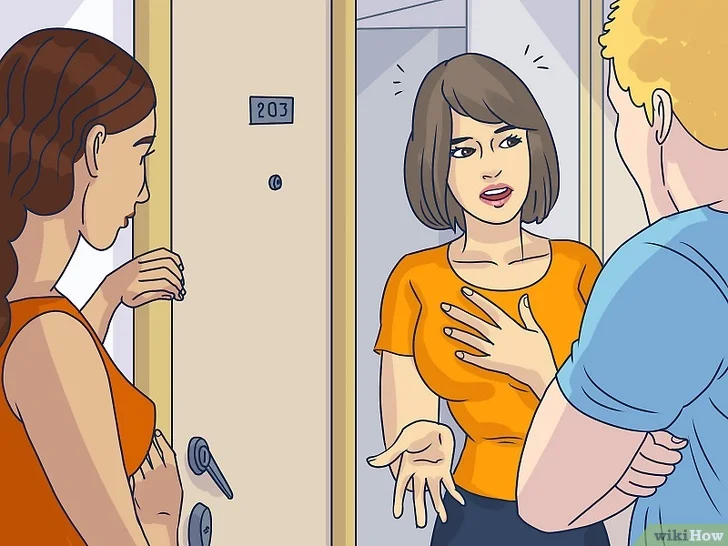
Noise complaints can turn a minor neighbor disagreement into a serious management problem when they are ignored or handled inconsistently. Music, televisions, parties, barking animals, repeated late-night activity, and ordinary building sounds can all generate complaints, but they shouldn’t automatically receive the same response.
Effective management begins by documenting the complaint, checking the lease, and separating persistent disturbances from normal residential living.
Collect Useful Information First
Ask for specific details instead of accepting a vague statement that another tenant is “always noisy.” Useful information includes dates, approximate times, duration, and the type of disturbance being reported.
Property managers browsing comfortable home living ideas may see many ways people use residential spaces, which is a useful reminder that apartment living naturally produces some sound. Management should focus on repeated or unreasonable disturbances rather than demanding complete silence.
Compare the Complaint With Written Rules
The lease may include quiet-hour provisions, nuisance clauses, guest rules, or restrictions on conduct affecting other residents. Start there before deciding what action is appropriate.
Broader property-use resources may discuss ownership and housing issues, but enforceable rental decisions need to be tied to actual lease terms and applicable local rules. Avoid inventing a new standard after a complaint occurs.
Use Graduated Responses When Appropriate
A first report may justify a neutral reminder. Repeated, well-documented violations may call for formal written notices consistent with the lease and law.
Keep the Process Objective
Don’t automatically assume the first complainant is correct. Buildings transmit sound unpredictably, and the apparent source may not always be the actual source.
Managers using residential property reading alongside maintenance planning should also consider physical causes. Loose equipment, plumbing, flooring, doors, or building systems can sometimes create sounds tenants attribute to neighbors.
| Complaint Type | First Check | Possible Response |
|---|---|---|
| Late music | Time and duration | Reminder or notice |
| Repeated parties | Lease and records | Documented enforcement |
| Building noise | Maintenance source | Inspect equipment |
| Unclear report | Specific details | Gather more information |
What Managers Commonly Get Wrong
Taking sides too quickly is one of the fastest ways to make a noise dispute worse. Another mistake is promising a complainant that another tenant will be evicted before the facts, lease terms, notice requirements, and local law have been reviewed.
Managers should also avoid discussing unnecessary details about one tenant with another. Address the complaint while maintaining appropriate privacy and documentation.
When a Noise Dispute Needs Outside Help
Local legal guidance may be appropriate when complaints are severe and repeated, a tenant threatens another resident, formal lease enforcement or eviction is being considered, disability-related accommodation issues arise, or allegations suggest discriminatory treatment.
Federal fair-housing rules prohibit housing discrimination based on protected characteristics, and enforcement decisions should be applied consistently. HUD provides information on fair-housing rights and reporting discrimination. Immediate safety threats may also justify contacting appropriate emergency or local authorities.
Frequently Asked Questions
What should a landlord do after receiving a noise complaint?
Document the report, ask for specific dates and times, review the lease, and investigate reasonably before deciding on enforcement. Avoid promising a particular penalty before the facts are clear.
Can a tenant be evicted for repeated noise problems?
Repeated lease violations may potentially support formal action, but eviction rules, notice requirements, evidence standards, and permissible grounds differ by jurisdiction. Local legal guidance may be appropriate before proceeding.
Are normal daytime sounds considered noise violations?
Not automatically. Ordinary residential activity often creates some sound. Whether conduct violates a lease or local rule depends on factors such as intensity, duration, timing, repetition, and applicable standards.
Intervene Before Positions Harden
Noise complaints become harder to resolve once neighbors stop communicating and begin documenting every irritation as misconduct. Respond early, gather specific information, apply written rules consistently, and escalate only when the evidence supports it. A calm paper trail is usually more useful than a dramatic warning issued before anyone understands what actually happened.
This article is for general informational purposes and is not a substitute for professional legal advice.