

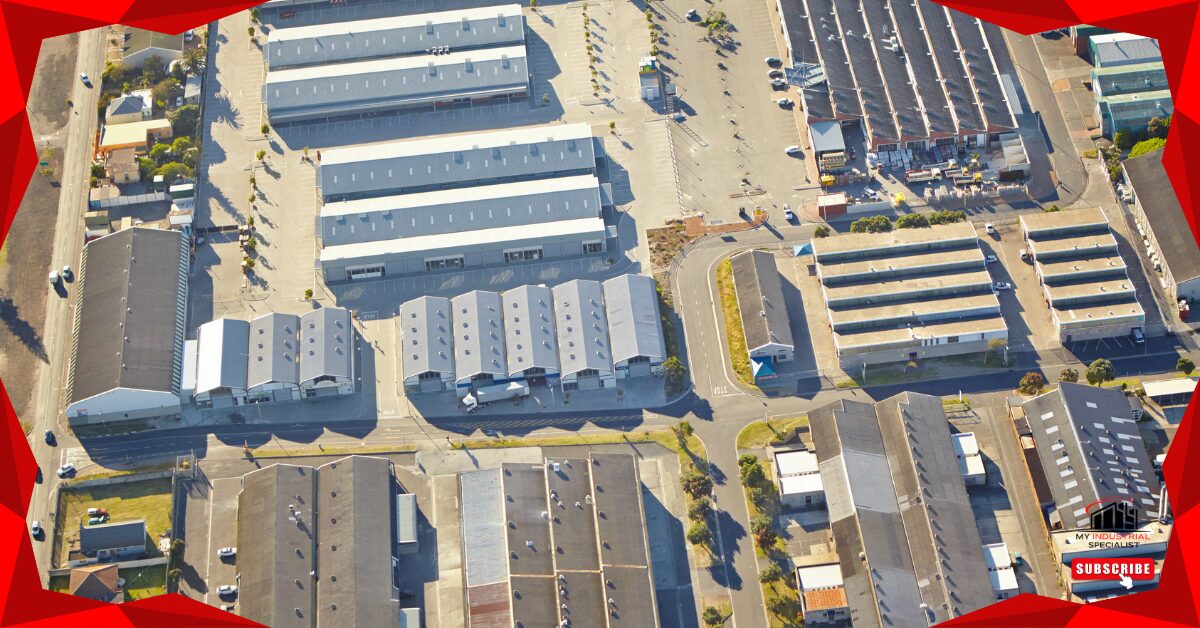
Industrial buildings can appear interchangeable until a buyer or tenant studies what the operation actually requires. Industrial property issues involving electrical capacity, zoning, loading, utilities, and permitted uses can prevent an otherwise attractive building from supporting the intended business. Checking those constraints early is more useful than discovering them after a lease is signed or a purchase closes.
Confirm the Use Is Actually Allowed
Industrial zoning categories can permit different activities even within the same municipality. Warehousing, manufacturing, food processing, vehicle service, outdoor storage, distribution, and hazardous-material handling may face separate rules.
People reviewing industrial property information should verify the proposed use with the appropriate local authority rather than relying only on a listing description. A property marketed as industrial may still have restrictions that matter to a specific operator.
Ask About Conditional Requirements
Some uses are allowed only after additional approvals, hearings, permits, or operating conditions. Those steps can affect both timing and cost.
Verify Electrical Capacity Early
Power requirements vary sharply between industrial users. Basic storage operations may need relatively little electricity, while manufacturing equipment, refrigeration, data systems, charging infrastructure, or heavy machinery can require substantial service.
Businesses comparing commercial building perspectives should identify voltage, phase, amperage, panel capacity, transformer conditions, and available expansion options. Upgrading power can involve utility coordination and construction beyond the building itself.
| Property Feature | What to Verify | Why It Matters |
|---|---|---|
| Zoning | Permitted business use | Operational legality |
| Electrical service | Capacity and phase | Equipment compatibility |
| Loading | Dock and grade access | Shipping efficiency |
| Utilities | Water, gas, sewer | Process requirements |
Evaluate Loading and Truck Access
A warehouse with generous interior space can still perform poorly if trucks can’t reach it efficiently. Dock height, turning radius, trailer storage, yard depth, curb cuts, and nearby road restrictions all matter.
Those researching industrial space insights should also consider how deliveries interact with employee parking and neighboring properties. A site that works for occasional vans may become difficult when tractor-trailers arrive throughout the day.
Match Utilities to the Operation
Water, sewer, natural gas, drainage, ventilation, and telecommunications can become limiting factors depending on the use. Buyers should not assume that utility lines visible at the property have sufficient capacity.
Future expansion matters too. A building that supports the first production line may need costly upgrades if the business later adds equipment or increases output.
Common Assumptions That Create Problems
One mistake is believing that a previous industrial tenant proves the next industrial use will be allowed. Different operations can fall into different zoning, fire-code, environmental, and utility categories.
Another is focusing on building size while ignoring infrastructure. An extra 20,000 square feet adds little value if the available power cannot run required machinery or if trucks cannot maneuver safely into the loading area.
Frequently Asked Questions
What electrical service should an industrial building have?
The required service depends on the equipment and operation. Tenants and buyers should identify the voltage, phase, amperage, and anticipated peak load required by their machinery before evaluating whether the building is adequate.
Can industrial zoning allow any type of business?
No. Industrial districts usually contain specific permitted, conditional, and prohibited uses. Local rules may also regulate noise, outdoor storage, emissions, truck traffic, parking, signage, and operating hours.
Why is truck access important when choosing industrial property?
Poor truck access can slow deliveries, increase driver difficulty, create safety problems, and reduce usable loading capacity. Turning space, road access, dock configuration, and trailer circulation should be checked before committing to the property.
Verify Infrastructure Before Committing
Industrial property selection should begin with the operation, not the building’s appearance. Define the required use, power demand, loading pattern, utilities, and expansion needs, then test each property against those requirements. A well-located building at an attractive price can still be the wrong choice if its zoning or infrastructure cannot support the work planned inside it.