

Online shoe shopping becomes frustrating when the same labeled size fits differently across brands and styles. Difficult shoe sizing is easier to manage when you measure your feet first and compare those measurements with the specific seller’s size information. A few minutes of preparation can reduce guesswork, especially when ordering unfamiliar brands or footwear shapes.
Why Shoe Sizes Aren’t Perfectly Consistent
A size number is only one part of fit. Last shape, toe-box width, heel design, materials, lining thickness, and intended style can all change how a shoe feels.
That’s why buying the same numerical size every time doesn’t guarantee the same result. General online sizing resources may offer useful comparisons, but the brand’s own chart and return terms deserve close attention before checkout.
Measure Both Feet
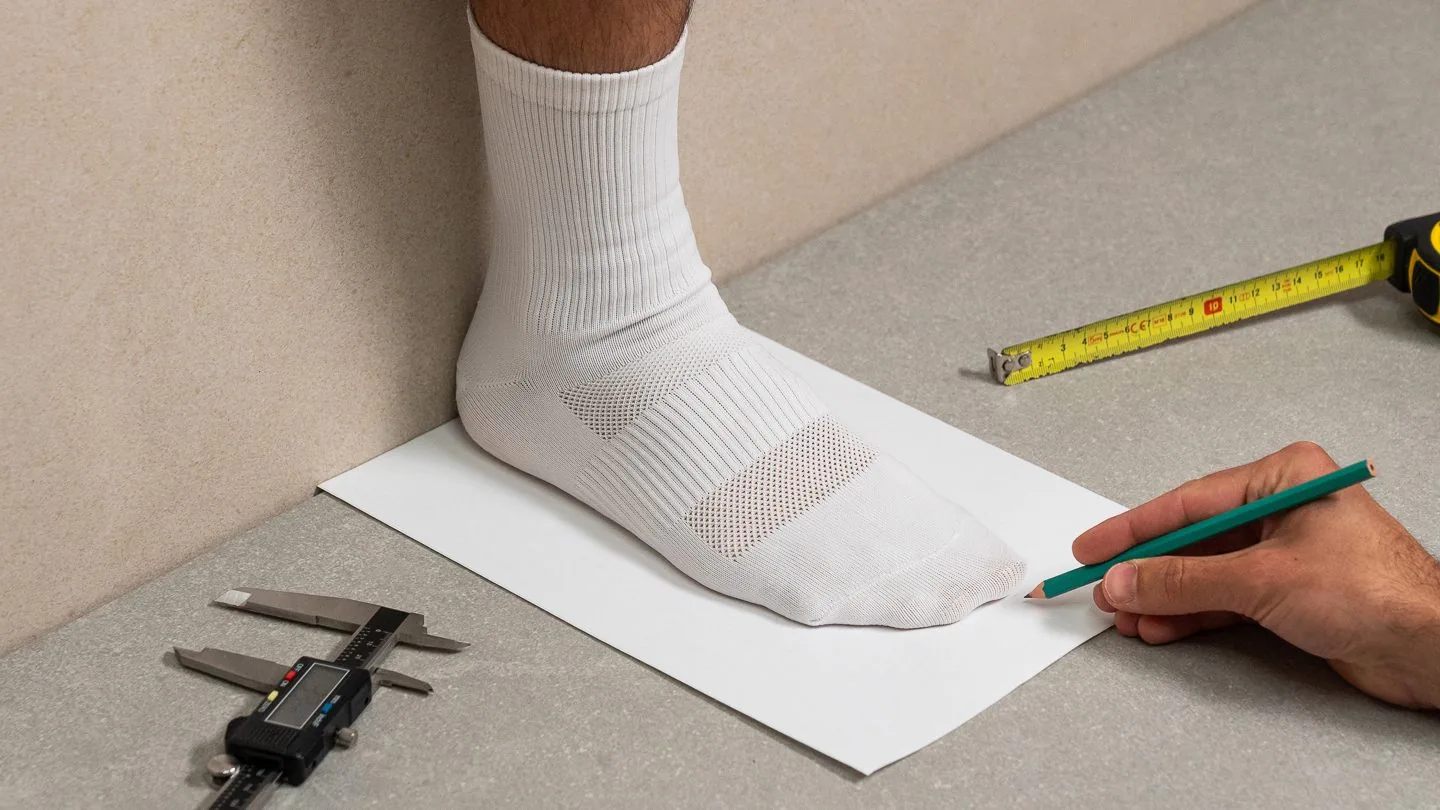
Place your foot on paper while standing and mark the heel and longest toe. Measure the length and, when useful, the widest part of the forefoot.
Repeat the process for both feet because one may be slightly different. Base your buying decision on the larger measurement rather than assuming both sides are identical.
Measure at a Realistic Time of Day
Feet can feel somewhat different after you’ve been standing and walking. Measuring later in the day may give you a more realistic sense of the space you need for regular wear.
Wear the type of socks you expect to use with the shoes. Online shopping guides may help with broader purchasing decisions, but sock thickness can change the practical fit enough to affect sizing choices.
| Measurement Check | Why It Helps | What to Compare |
|---|---|---|
| Foot length | Establishes basic size range | Brand length chart |
| Foot width | Identifies width needs | Width options or notes |
| Both feet | Accounts for differences | Use larger foot |
| Sock thickness | Reflects actual use | Intended shoe style |
Compare Measurements With the Exact Brand
Don’t rely on a universal conversion chart when the retailer provides model-specific information. Check whether measurements refer to foot length, insole length, or another standard because those aren’t necessarily interchangeable.
Looking at footwear sizing perspectives can add general context, but your strongest clues come from the specific manufacturer’s chart, construction notes, and stated fit guidance.
Pay Attention to Shoe Shape
Two shoes with similar internal length can feel completely different if one has a narrow tapered toe and the other has a broad rounded front.
People with wider forefeet may need to prioritize width and toe shape rather than simply choosing a longer size. Extra length doesn’t always solve width pressure.
Check the Return Policy Before Ordering
Even careful measurement can’t eliminate every fit surprise. Materials compress differently, heel shapes vary, and personal comfort preferences aren’t captured by a chart.
Before buying, look at the allowed return period, condition requirements, return shipping arrangements, and whether sale items follow different rules. This matters more when you’re ordering a new brand for the first time.
Common Online Sizing Mistakes
A frequent mistake is treating your usual size as a universal measurement. It isn’t. Another is automatically sizing up whenever a shoe feels narrow, which can create excess heel movement while leaving the real width problem unresolved.
Reviews can provide clues, but another shopper’s “true to size” description reflects that person’s foot shape and expectations. Measurements and brand information should carry more weight than a single subjective comment.
Frequently Asked Questions
Should I measure my feet in inches or centimeters?
Use whichever unit appears on the seller’s chart. Measuring carefully and converting only when necessary can reduce rounding errors.
What if my feet are between two sizes?
Check the brand’s guidance, shoe shape, material, and intended sock thickness. If returns are practical, the retailer’s exchange policy can also influence the safer choice.
Does shoe width matter as much as length?
For many people, yes. A correct length with insufficient width can still cause uncomfortable pressure, while choosing unnecessary extra length may create slipping.
Measure First and Order With Better Information
Online sizing will never be completely predictable, but it doesn’t have to be a blind guess. Measure both feet, account for socks, compare the larger foot with the exact brand chart, and consider shape as well as length. Combined with a workable return policy, those steps give you a much stronger basis for choosing the right pair.